Interesting Facts About Agriculture in Kenya
Agriculture is one of the targeted investments among the five core pillars of the Kenya’s Bottom-Up Economic Transformation Agenda (BETA) which is informed in the fourth medium term plan (MTP IV) running from (2023-2027).
It currently employs more than 70% of the rural population including over one million in the tea sector and contributes an impressive 33% of the country’s GDP. In 2021, agriculture’s share of the GDP was one of the highest in Africa.
According to the Horticultural Crops Development Authority (HCDA), Kenya is the third largest exporter of cut flowers. And as such, Jomo Kenyatta International Airport (JKIA) operates a specific terminal just for these products.
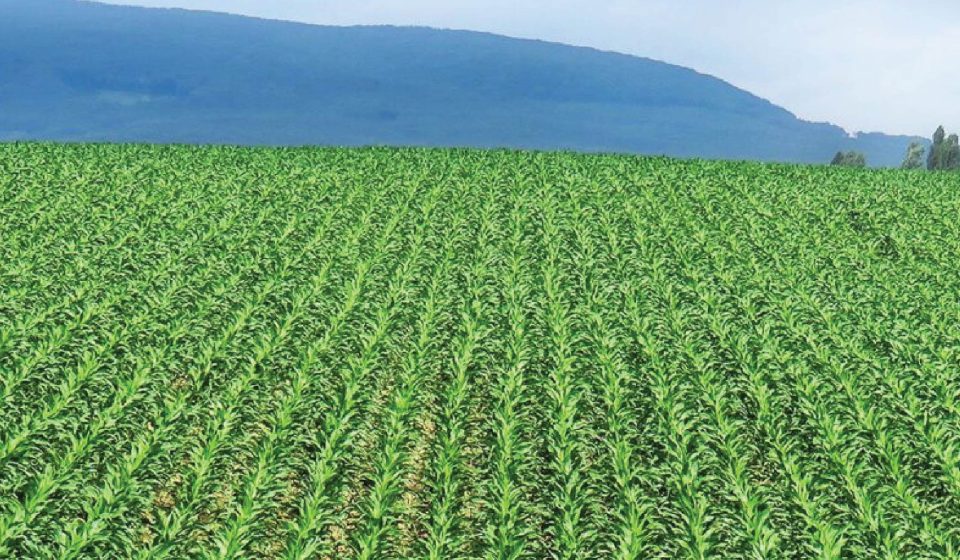
There are 6.4 million agricultural households in Kenya which are primarily responsible for growing maize, potatoes, bananas, beans, peas, cassava, sweet potatoes, millets, and chilies.
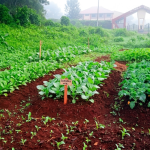
Crop farming in Kenya remains the dominant form of agriculture. It aims to improve the economy via exports while providing staple food crops for local consumption, as is in the case of St. Paul’s University’s (SPU) farm.
Inorganic fertilizer and pesticides are the most utilized farm inputs. They are germane in boosting production and shielding crops against pests and diseases thus increasing the overall yield.
Performance of Various Industries
The coffee sector has started to show improvement following a decline in the recent past while the horticultural and floral sectors have seen unprecedented growth over the past years as more companies have ventured into the production and export of cut flowers and fresh produce.
The sugar industry has faced significant challenges such as delayed cane transportation, impassable roads, reduced prices on sugar imports, and cane shortages at the mills. The government has however, deployed remedial measures to benefit both the farmer and millers.
Other sectors where the country has significant untapped resources include cotton, forestry, fishing, pyrethrum, and macadamia nuts.
Economic Prosperity
The revenue generated in the agricultural sector comes from two major activities such as;
- Selling of crop produced locally and internationally to generate income, for instance, exporting tea and coffee generates billions of shillings annually to the national income.
- Expansion of interconnected sectors like refining, processing and transportation which create employment opportunities. This conglomerate is estimated to bring in an additional 27% to the country’s GDP.
Climate Change Impacts
Most regions within Kenya experience arid climate while 80% of the country’s climatic condition is a mix of arid and semi-arid (ASAL). The adverse effects of global warming have caused the nation to experience long periods of intense droughts, followed by torrential rain for nearly a decade, which has only intensified in recent years. This has caused a strain on many rural farming communities as 95% of their crops rely solely on rainfall for adequate production. In March 2025, an estimated 2.2 million Kenyans experienced food insecurity which exacerbated to 2.8 million in June of that same year!
While Kenya remains heavily reliant on farming, population is growing rapidly and is expected hit 81 million by 2039. This increment has caused farmers to relocate to make room for new residents. As a result, many farmers are being pushed onto less ideal farm lands to pave way for housing and infrastructural development.
The Solution
- Climate-Smart Seed Innovation
Advancing food security begins at the cellular level. Scientists at the Kenya Agricultural and Livestock Research Organization (KALRO) and their partners are developing improved seed varieties tailored for our changing climate. A standout example is the Nyota bean, a variety specifically bred to be drought-tolerant and matures fast.
These seeds allow farmers to secure a harvest even in shorter rainy seasons, hence providing a reliable food source where traditional varieties may falter.
- The Digital Transformation of the Farm
This involves integration of online and offline AI-powered tools is revolutionizing how Kenyan farmers manage their daily operations. These technologies act as “digital extension officers” in the palm of their hand. This enables them to:
- Diagnose crop diseases instantly using smartphone cameras to identify pests and diseases in real-time through computer vision.
- Access expert knowledge via one-on-one chats with industry specialists to receive tailored agronomic advice.
- Streamline logistics by coordinating transport for harvests via digital platforms to ensure the harvest reaches the market instantly.
The Path Forward
From the traditional tea fields of the highlands to the high-tech flower terminals at JKIA, Kenyan agriculture is entering a pivotal era of modernization. Whether through strategic government policy in the sugar sector or innovative student-led initiatives, our mission is clear: we must create a food-secure Kenya capable of feeding a projected population of 81 million. This challenge is made even more urgent by the need to adapt to a changing climate, as predictions indicate a near-future rise in global average temperatures to 2-3°C above pre-industrial levels.
At St. Paul’s University, we are turning these challenges into opportunities. Our comprehensive curriculum balances rigorous classroom theory with hands-on practical sessions at the university farm. This journey extends into the marketplace through our agribusiness model, where our harvests are sold to both the university community and local consumers.
We take pride in ensuring our produce is organic, sustainable, and safe for everyone, because we don’t just grow the food; we eat it too!
Join us today in advancing food security for the nation and future generations.
For further enquiries;
Our Toll-free line is – +254 800 723 000
Email – contactcenter@spu.ac.ke