
Choosing Life Over Rage: How Faith, Counseling, and Education Can Help Heal Kenya’s Relationship Crisis
Understanding a Growing Challenge Among Young People
Across Kenya, incidences of relationship-related violence have become increasingly common. Behind the headlines are lives forever altered by grief, trauma, anger, and regret. While such incidents often attract public attention because of their tragic outcomes, they also point to deeper challenges affecting many young people today.
Economic uncertainty, social pressures, unrealistic expectations amplified by digital media, and limited access to emotional support systems can leave individuals struggling to cope with rejection, heartbreak, or conflict. When emotional pain is left unaddressed, it can sometimes manifest in harmful ways.
As an institution committed to academic excellence, Christian values, and holistic human development, St. Paul’s University believes that this challenge deserves thoughtful reflection and practical action. Relationship violence is not simply a legal or social issue; it is also an emotional, psychological, and spiritual concern that calls for education, compassion, and healing.
A Christian Understanding of Human Worth
Christian Theology offers important insights into how we view ourselves and others, especially during moments of emotional distress.
Created in the Image of God
The doctrine of Imago Dei teaches that every person is created in the image and likeness of God. This truth reminds us that human worth is not dependent on success, popularity, or the approval of another person.
A relationship may end, friendships may change, and disappointments may occur, but none of these experiences diminish the inherent dignity and value of an individual. Our identity is rooted in something far deeper than any relationship status.
At the same time, this principle reminds us that every other person also possesses sacred worth. Even in moments of disagreement, hurt, or rejection, their dignity remains intact and must be respected.
Love is not Ownership
Healthy relationships are built on mutual respect, trust, and freedom. Christian teachings on love emphasize patience, kindness, selflessness, and care for the wellbeing of others.
When relationships become characterized by control, manipulation, possessiveness, or threats, they move away from these values. Rejection and heartbreak can be deeply painful experiences, but they are part of the human journey and can be navigated through support, reflection, and healing rather than harm.
Developing emotional resilience is therefore an essential life skill for individuals, families, communities, and institutions.
How Education Can Become Part of the Solution
Universities play a critical role in preparing future leaders to address complex social challenges. At St. Paul’s University, learning extends beyond academic achievement to include character formation, emotional intelligence, ethical leadership, and community responsibility.
Several academic disciplines contribute valuable perspectives to understanding and addressing relationship-related challenges:
- Counseling Psychology equips professionals with skills to support individuals experiencing emotional distress, trauma, anxiety, and interpersonal conflict.
- Theology and Religious Studies explore spiritual approaches to healing, reconciliation, and human dignity.
- Community Development and Social Sciences help students understand the social and cultural factors that influence behaviour and wellbeing.
- Chaplaincy and Pastoral Care provide frameworks for offering guidance, mentorship, and emotional support within communities.
By integrating faith, scholarship, and practical service, these disciplines contribute to healthier relationships and stronger communities.
Breaking the Silence Around Emotional Wellbeing
One of the greatest barriers to healing is the belief that emotional struggles should be faced alone. In reality, seeking support is a sign of courage and self-awareness.
Young people facing intense feelings of anger, jealousy, rejection, anxiety, or despair should be encouraged to speak with trusted friends, mentors, counselors, clergy, or mental health professionals. Early conversations often prevent emotional challenges from escalating into crises.
Equally important is the role of peers and communities. Friends, classmates, and family members are often the first to notice signs that someone may be struggling. Creating environments where people can talk openly about mental health and emotional wellbeing helps build stronger support networks for everyone.
Digital Resources as a First Step
For some individuals, initiating a face-to-face conversation about emotional challenges can feel intimidating. Digital mental health tools may serve as a useful starting point for self-reflection and emotional awareness.
However, such platforms should be viewed as supplementary resources rather than substitutes for professional care. Meaningful healing often occurs through trusted human relationships, professional counseling, pastoral guidance, and supportive communities.
Support Within the SPU Community
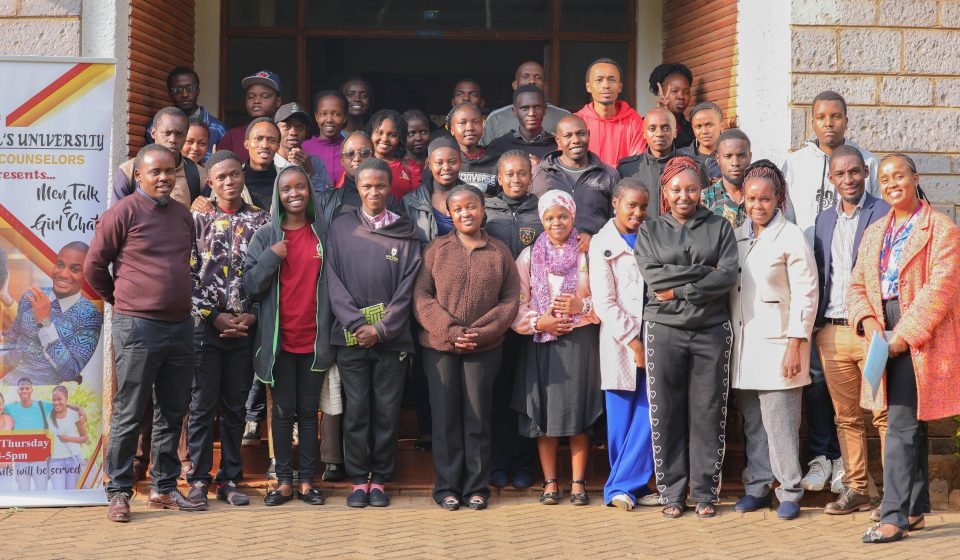
St. Paul’s University remains committed to fostering an environment where students can grow academically, spiritually, emotionally, and socially.
Members of the university community who are experiencing emotional distress are encouraged to seek support through available campus resources, including:
- The Chaplaincy Office for spiritual guidance and pastoral care.
- Professional counseling services for emotional and psychological support.
- Peer support structures that can help connect individuals with appropriate assistance.
By strengthening conversations around emotional wellbeing, healthy relationships, and responsible decision-making, we can collectively contribute to a culture that values healing over harm, understanding over hostility, and life over violence.
Moving Forward Together
The future of our communities depends not only on intellectual achievement but also on emotional maturity, compassion, and respect for human dignity.
As we continue to educate future leaders, professionals, ministers, counselors, and community builders, St. Paul’s University remains committed to nurturing individuals who can respond to life’s challenges with wisdom, empathy, and hope.
Choosing life over rage begins with recognizing our shared humanity, seeking help when needed, and extending grace to ourselves and others. Through faith, education, and community, healing is always possible.
For further enquiries on the September intake;
Our Toll-free line is – +254 800 723 000
Email – contactcenter@spu.ac.ke
Saint Paul’s University | The University of Choice!